For most houses we deal with across Kildare, gravel is the cheapest option to put down but asks for the most ongoing maintenance, tarmac sits in the middle and handles a big open driveway well, and block paving costs the most up front but lasts the longest and does the most for how the front of the house looks. There’s no single right answer. It comes down to your ground, your budget, and how much upkeep you’re actually willing to do every year.
What actually drives the price on a Kildare driveway
Every driveway quote we’ve seen has two parts: the groundwork and the surface. The groundwork, digging out the old surface, sorting drainage, putting down a proper sub-base, is usually where the real cost sits, not the finish you see on top. A lot of homeowners budget for the pretty surface and forget that the work underneath is what makes it last.
Kildare ground doesn’t help. A fair bit of the county, especially around Naas, Sallins and parts of Newbridge, sits on heavy clay with a high water table. If that ground isn’t dug out properly and the sub-base isn’t deep enough, you’ll see dips, cracking and standing water within a few winters, no matter which surface you choose. We’d always rather spend more time getting the base right than rushing to the finish.
Tarmac driveways: pros, cons, and where they suit Kildare homes
Tarmac is a good fit for a long, wide driveway, or anywhere you want a clean, uniform look without visible joints. It’s quick to lay once the groundwork is sorted and it copes reasonably well with the Irish climate, so long as it’s laid at the right time of year and not rushed in cold, wet conditions. Laying tarmac in frost or heavy rain is one of the more common mistakes that leads to early cracking.
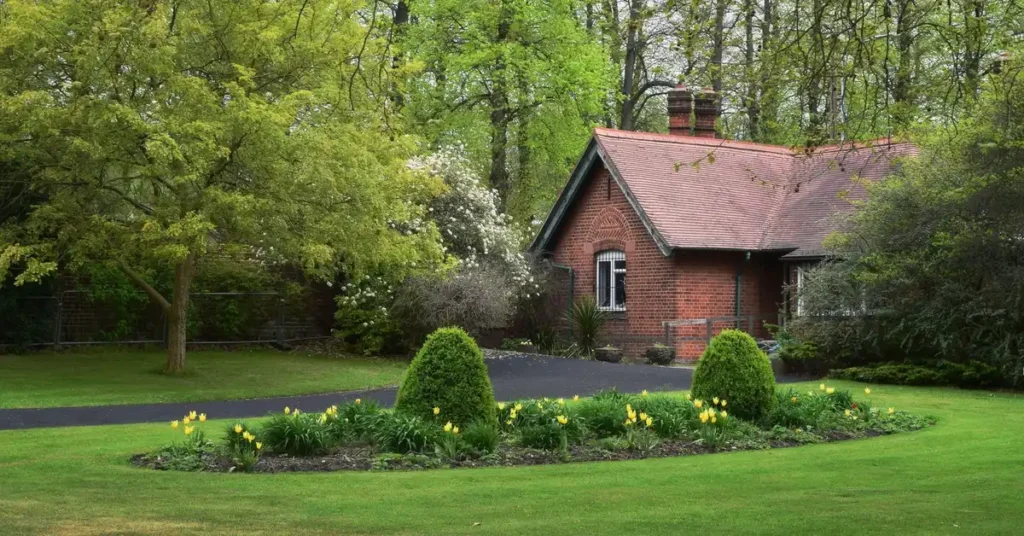
The downsides: plain black tarmac can look a bit flat on older period homes, it will soften slightly in a hot summer (rare enough here, but it happens), and repairs tend to show as a patch rather than blending in. Tarmac is a specialist surfacing job in its own right, laid by contractors with the right machinery for it. Where we come in on these jobs is the groundwork, edging, drainage and the lawn or planting that frames the driveway, which is often what makes or breaks the finished look.
Block paving: the most popular choice we see across Kildare estates
Block paving is still what most homeowners ask us about first, and for good reason. You get colour and pattern options, it’s easy to lift and replace a section if a pipe needs repair, and a well laid block driveway genuinely adds to how a house presents from the road. In the older housing stock around Naas and Newbridge, where original concrete drives are cracked and dated, swapping to block paving is one of the single biggest visual upgrades you can make to a front garden.
The catch is weeds and moss in the joints. Within a year or two, every block paved driveway starts getting growth between the joints if nobody’s keeping on top of it, and it’s one of the most common complaints we hear. Regular hand weeding between the blocks, rather than pouring bleach or harsh chemicals near the house, keeps it looking sharp without damaging the paving or nearby lawn. It’s a small job done a couple of times a year, not a big one.
Gravel driveways: cheap to lay, but ongoing work
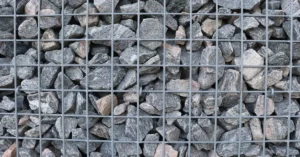
Gravel is the lowest cost surface to put down, and it suits period homes, rural sites and anywhere a softer, less formal look fits better than block or tarmac. It drains well, which matters on the heavier clay sites we see further out towards Clane and Kilcock.
What people underestimate is the maintenance. Gravel migrates, especially near a sloped driveway or where cars turn tightly, and it needs proper edging restraint or it ends up spread across the lawn within a season. A solid edge, whether that’s a kerb, steel strip or timber border, is what keeps gravel where it’s meant to be. We’d always recommend sorting the lawn edging around a gravel drive at the same time it’s laid, not as an afterthought once the gravel has already started drifting onto the grass. Weeds come up through gravel too, probably faster than through block paving, so factor that into the ongoing care.
What pushes the cost up or down
- Ground conditions: heavy clay or a high water table means more excavation and a deeper sub-base, which adds cost before a single surface material goes down.
- Access for machinery: a tight site where materials have to be moved by hand rather than by digger or dumper takes longer and costs more.
- Drainage requirements: permeable surfacing or soakaways needed to manage surface water will add to the job, but may be unavoidable depending on the site.
- Size and shape: a simple rectangle is cheaper per square metre than a driveway with curves, multiple levels or a turning circle.
- Existing surface removal: breaking out and carting away old concrete or tarmac adds a cost that’s easy to forget when comparing quotes.
- Finish and pattern: plain tarmac or a simple gravel bed costs less than a patterned block paving layout with borders and contrasting colours.
Planning permission and surface water: what to check with Kildare County Council
Depending on the size of the area being paved and how much of it is impermeable, there can be planning implications around surface water run-off, particularly for front gardens. Rules and thresholds around this do get updated, so rather than quote a figure that might be out of date by the time you read this, we’d say: check the current position directly with Kildare County Council before you commit to a surface, especially if you’re paving a large area or replacing a lawn entirely. It’s a quick call or planning enquiry that can save a headache later.
Our honest recommendation
If you want the lowest upfront cost and don’t mind a bit of yearly upkeep, gravel is a solid choice, particularly on a rural or period property. If you’ve a big open driveway and want a clean, low-fuss finish, tarmac usually makes sense. If you’re upgrading an older Kildare house and want the best return on how the property looks and holds its value, block paving is still what we’d point most homeowners towards, so long as they’re realistic about the small bit of maintenance it needs.
Whatever surface you’re leaning towards, we’d rather you get the groundwork and drainage advice before you commit to a quote, not after. Naas Landscaping has years of local experience working on gardens and driveways across Kildare, including Naas, Newbridge, Celbridge, Maynooth, Leixlip, Athy, Clane and Kilcock, and we’re happy to have a look at your site and talk through what actually suits your ground. Get in touch through our contact page for a quote specific to your job, or have a read of our about us page to see more of what we do.
Frequently Asked Questions
Which lasts longer, tarmac or block paving?
Both can last decades if the groundwork underneath is done properly. Block paving has the advantage that individual blocks can be lifted and replaced if one area settles or cracks, where tarmac usually needs a visible patch repair instead. The sub-base matters more than the surface material for how long either one lasts.
Is gravel a good option for a sloped driveway?
It can work, but loose gravel tends to shift downhill over time unless it’s properly compacted and edged. On a noticeably steep driveway we’d usually steer someone towards block paving or tarmac instead, simply because gravel needs more raking and topping up to stay level.
Do I need planning permission to pave my front garden in Kildare?
It depends on the size of the area and the type of surface, particularly around surface water run-off rules. Because these thresholds can change, check the current position with Kildare County Council before starting work, rather than relying on what applied a few years ago.
How do I stop weeds coming through a block paved or gravel driveway?
Regular hand weeding a couple of times a year keeps joints and gravel beds clear without damaging the surface or nearby lawn with harsh chemicals. A proper sub-base and jointing compound at installation also helps reduce how much comes through in the first place.
Can Naas Landscaping help with the groundwork and finishing around a new driveway?
Yes. We regularly handle the groundwork, edging, drainage and planting around driveways across Kildare, working alongside the surfacing itself to make sure the finished job looks right and functions properly. Get in touch through our contact page with details of your site and we’ll talk you through it.